





Best Indian Contemporary Interiors to Elevate Your Home Design
December 17, 2025
Balcony Decor Ideas for Apartments: Turn Small Spaces into Cozy Retreats
December 18, 2025


Having a monsoon checklist for homes is not just helpful, it’s essential.
Let’s go step by step through what a practical, easy-to-follow checklist should look like:
Table of contents
- 1. Check the Roof Before the Clouds Arrive
- 2. Look for Damp Spots on Walls
- 3. Inspect Doors and Windows for Gaps
- 4. Clean Drains and Gutters
- 5. Test Your Electrical Safety
- 6. Keep Furniture Away from Damp Walls
- 7. Protect Soft Furnishings and Rugs
- 8. Prep the Balcony and Outdoor Areas
- 9. Stock Essentials and Emergency Items
- Final Thoughts
- Transform Your Space with The Green Fortune
- FAQs
1. Check the Roof Before the Clouds Arrive
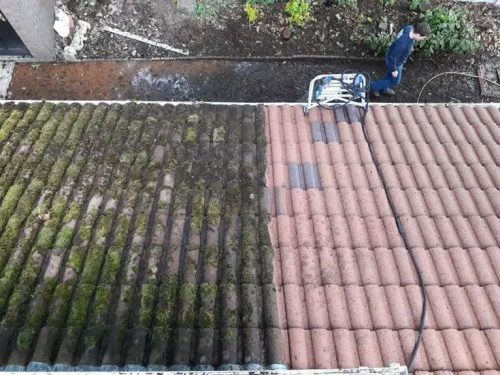
Start at the top. Your roof takes the first hit when the rain starts. Inspect it for cracks or broken tiles. Even a small gap can cause seepage that spreads across ceilings and walls. Get a local mason to fix it before the first heavy shower.
If you live in a flat, check the terrace drain outlets. Clear them of dry leaves and plastic wrappers. Blocked outlets can cause water to pool, leading to leakage below. A waterproof coating once every few years is also smart; it keeps your ceiling safe and adds to long-term protection.
Keeping the roof ready is one of the most important parts of any monsoon checklist for homes.
2. Look for Damp Spots on Walls
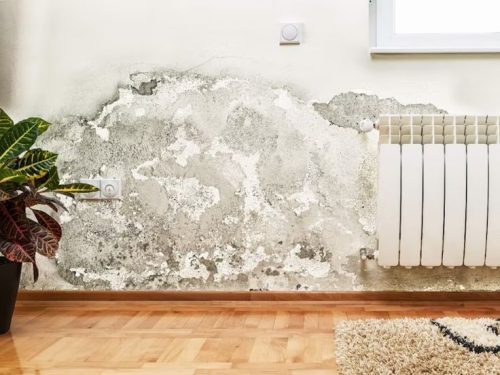
Many people ignore dampness, thinking it’s just cosmetic. But damp walls are silent troublemakers. They spread slowly and can cause paint to peel, furniture to warp, and even give off a musty smell.
Use a flashlight to check corners, behind furniture, and near windows. If you see bubbles or dark patches, get it treated early. Products like waterproof putty or anti-damp paint can stop the moisture from spreading.
If you’re searching for good waterproofing home tips, remember this: prevention is always cheaper than repair.
3. Inspect Doors and Windows for Gaps
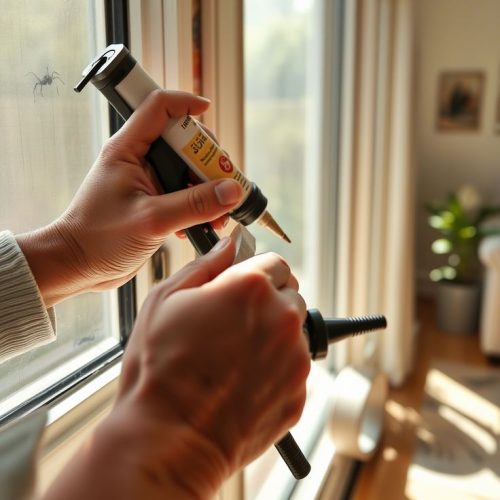
Rainwater often finds its way inside through tiny gaps in old doors and windows. During the dry season, we don’t notice these small openings, but once the wind picks up, it becomes obvious.
Seal any gaps using silicone sealants or weather strips. For those who live in windy or coastal areas, uPVC windows are worth considering because they don’t swell, rust, or leak.
This simple step in your monsoon checklist for homes keeps both rain and insects out.
4. Clean Drains and Gutters
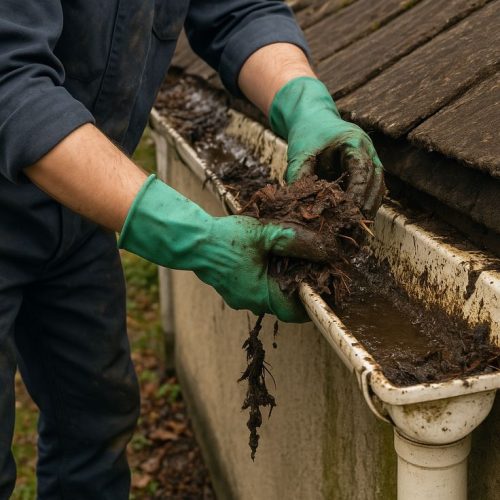
It’s not the prettiest task, but it’s one you can’t skip. Clogged drains and overflowing gutters are the biggest causes of monsoon flooding around houses. Clear out all dry leaves, plastic, and mud.
If your building has a common drainage line, make sure it’s checked by the society plumber. A half-hour check-up now can save a full day of panic later when water starts collecting.
When you think of rainy season home maintenance, this one should be right on top.
5. Test Your Electrical Safety

Water and electricity don’t mix; we all know that. But still, most people forget to get their wiring checked before the monsoon. Moisture can cause sparks or short circuits, especially in older homes.
Call an electrician to inspect switchboards, outdoor sockets, and water heaters. Make sure there’s no exposed wiring or dampness near any plugs. If you have outdoor lighting or a garden area, ensure those fittings are weatherproof.
Electric safety should always be part of your monsoon home care plan.
6. Keep Furniture Away from Damp Walls
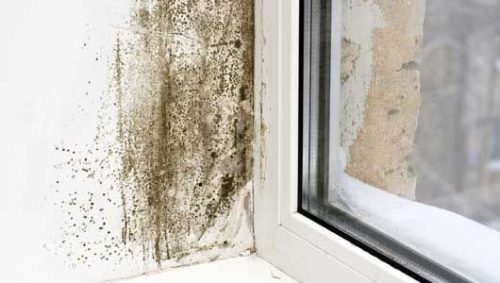
Wooden furniture absorbs moisture quickly. If any of your furniture touches a damp wall, it can start warping or catching fungus. Move beds, sofas, and cupboards a few inches away from the walls during the monsoon.
It also helps to polish wooden surfaces before the rains. The polish acts like a layer of protection. For storage spaces, you can use camphor balls or silica gel packets to keep things dry.
These small precautions may sound simple, but they extend the life of your furniture and save repair costs later.
7. Protect Soft Furnishings and Rugs
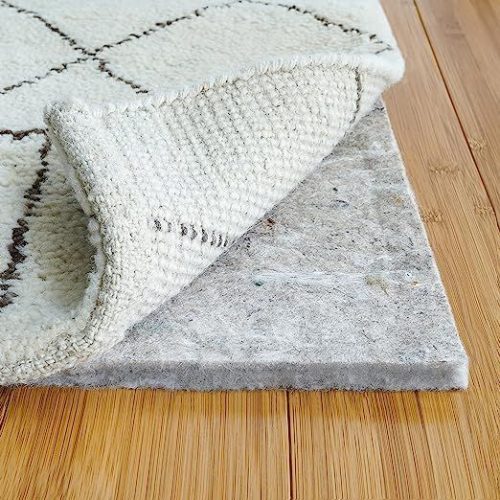
Monsoon brings in humidity, and that’s bad news for rugs, curtains, and mattresses. They tend to smell musty or grow mould. Wash and dry them properly before the rains start. Store extra bedding in vacuum-sealed bags or airtight boxes.
Keep your curtains slightly lighter during the monsoon so they dry faster if they get damp. This one’s often skipped, but it makes a big difference to how fresh your home feels.
When you make your monsoon checklist for homes, this should definitely be there; soft furnishings need care, too.
8. Prep the Balcony and Outdoor Areas
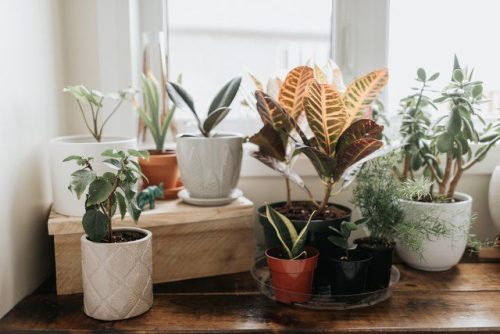
Balconies and terraces often get ignored until they flood. If you’ve got plants, move them around so the rain doesn’t damage them. Clean out trays under pots to avoid mosquito breeding.
Use waterproof floor mats instead of cloth ones, and shift anything wooden or metal away from open areas. For those who enjoy their outdoor corners, covering furniture with plastic or using waterproof outdoor fabrics helps it last longer.
That’s practical rainy season home maintenance you can do in one afternoon.
9. Stock Essentials and Emergency Items

A lot of cities face power cuts during heavy rain. Keep flashlights, batteries, candles, and a few extra bottles of drinking water ready. Store food items that don’t spoil easily: biscuits, noodles, and dry snacks.
You don’t have to go overboard, just enough for a few hours of inconvenience. Adding this last step completes your monsoon checklist for homes perfectly.
Final Thoughts
You don’t need to hire a team or spend much; just pay attention to the small things that usually go unnoticed. A dry, clean, and well-maintained home is not just safer but also more comfortable to live in.
And once you’ve done all this, you can finally sit back, listen to the rain, and enjoy your chai in peace.
Transform Your Space with The Green Fortune
At Green Fortune, we create uPVC doors and windows designed for India’s changing weather. Our products keep rain, dust, and noise out, while letting in light and comfort. Each frame is made to resist warping, rust, and leaks, making it ideal for monsoon protection. The energy-efficient design helps maintain indoor temperatures year-round.
Protect your home with smart, weather-ready uPVC solutions from Green Fortune.

FAQs
- When should I start preparing my home for the monsoon?
It’s best to start your monsoon checklist for homes at least a month before the rains begin. That gives you time to repair roofs, seal cracks, and service drains. Prepping early prevents last-minute stress and costly damage. - How can I stop water leakage from windows during heavy rain?
If water seeps in through window frames, check for cracks or old sealants. Reapply silicone sealant or upgrade to uPVC windows for long-term waterproofing. Proper sealing is a simple way to keep interiors dry and mould-free. - Why does my house smell damp during the monsoon?
That smell comes from trapped moisture in walls, rugs, or wooden furniture. Good ventilation, dehumidifiers, and sunlight help control it. Adding this to your monsoon checklist for homes keeps the air fresh even in humid weather.
monsoon checklist for homes

